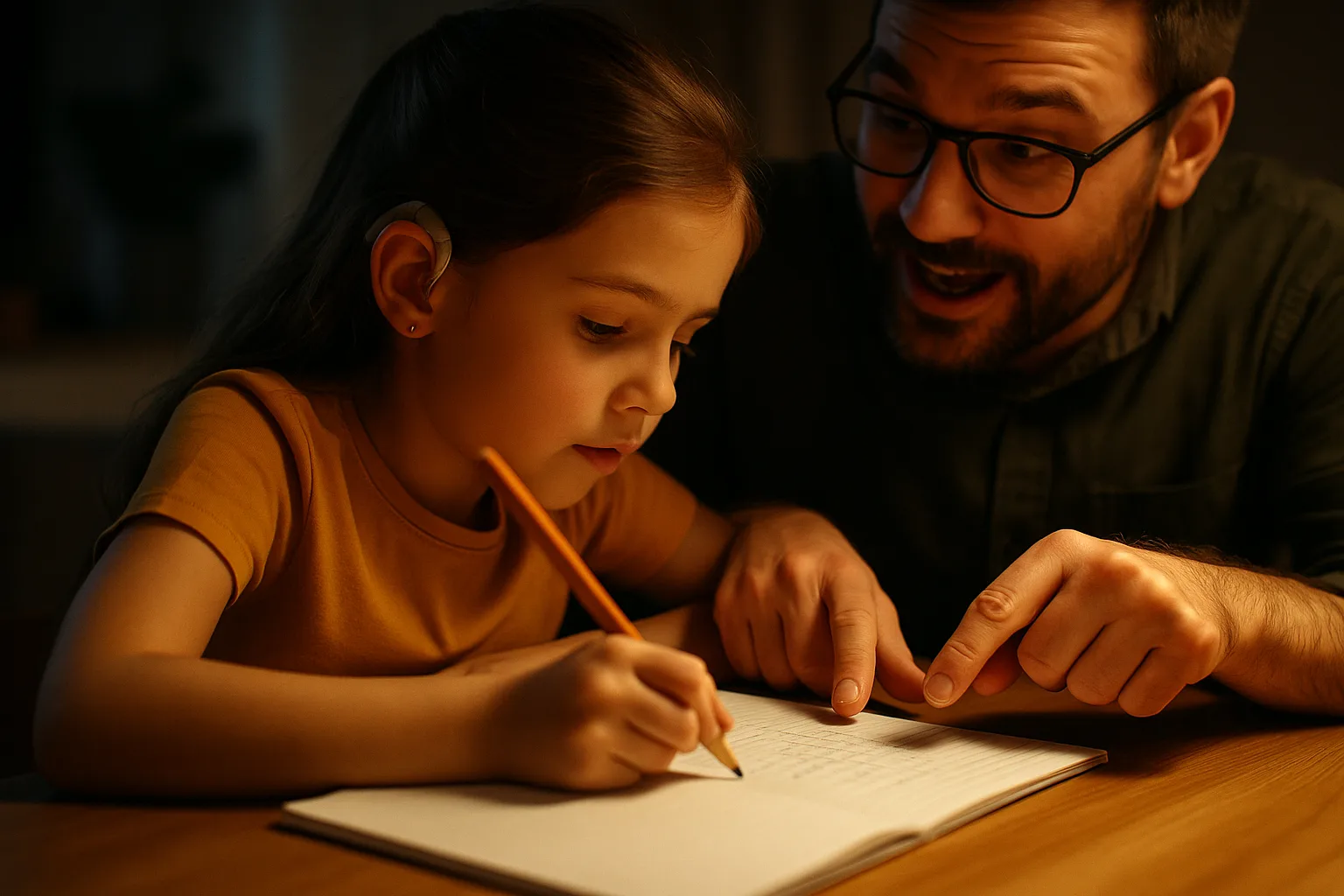
Inclusive Education and Support for Children with Hearing Impairments in Dolinsk, Sakhalin Oblast
Introduction
Children with hearing impairments in Dolinsk (Sakhalin Oblast) deserve access to high-quality education, confident social participation, and coordinated support from families and professionals. This article outlines practical steps and local pathways for inclusive education, parental and teacher support, medical and rehabilitative services, and social adaptation strategies tailored to Dolinsk’s context.
Quick overview — where to start in Dolinsk
— Medical assessment: consult the local polyclinic (городская поликлиника) for audiometry and referral to an otolaryngologist (ЛОР) or audiologist (сурдолог).
— Educational assessment: request a referral to the local Psychologo-Medico-Pedagogical Commission (ПМПК) via the Dolinsk education department (отдел образования Долинского городского округа) to determine educational needs and appropriate forms of support.
— Social services: contact the Department of Social Protection (отдел социальной защиты населения) for information on benefits, rehabilitation programs, and the procedure for issuing an Individual Rehabilitation and Habilitation Program (ИПР).
— Community and specialist organizations: regional branches of the All-Russian Society of the Deaf (Российское общество глухих) and local rehabilitation centers can offer resources and peer-support networks.
Medical and rehabilitation support
— Early screening and diagnosis: timely audiological testing is critical. Ask your pediatrician for referrals if you notice delayed speech or limited response to sound.
— Key specialists: otolaryngologist (ЛОР), audiologist (сурдолог), surdopedagogue (сурдопедагог), speech therapist/logopedist (логопед), and psychologists.
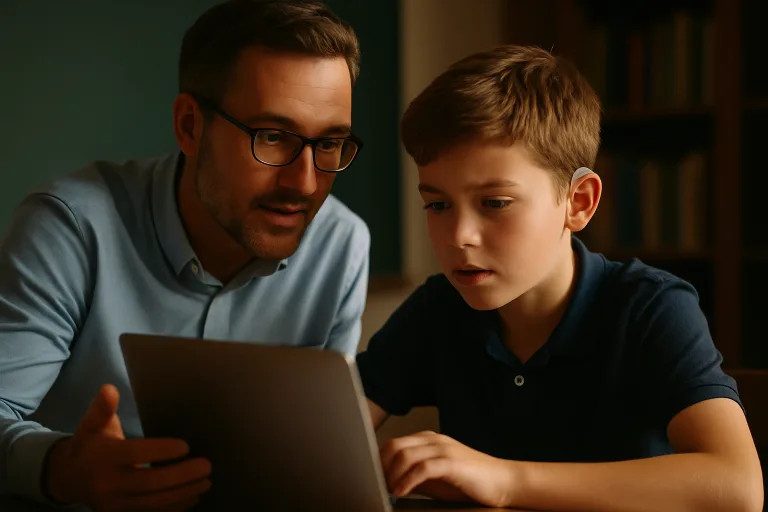
— Assistive technology: hearing aids, cochlear implants (where indicated), FM/remote microphone systems, and visual alerting devices. Work with regional audiology services to access fittings, maintenance, and batteries.
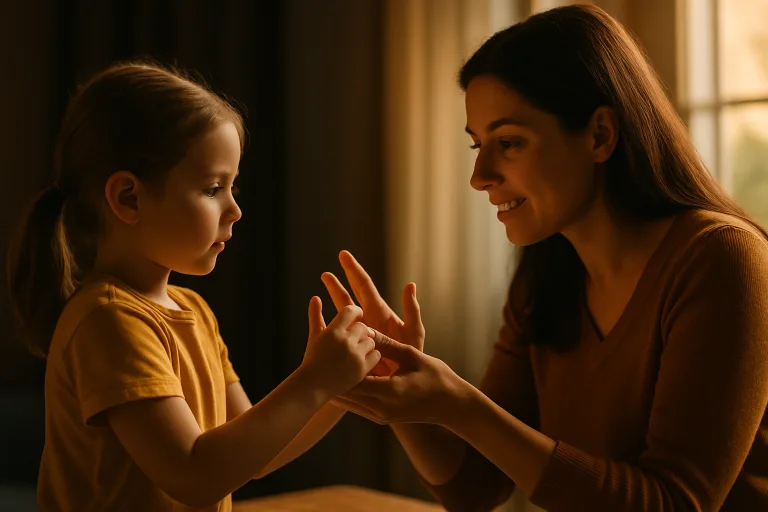
— Rehabilitation programs: auditory-verbal therapy, speech therapy, and early intervention services (центры ранней помощи) help develop listening and communication skills.
Inclusive education: legal context and practical steps
— Legal basis: Russian federal education law supports inclusive education. Families can choose mainstream schools with support, special classes, or specialized institutions depending on the child’s needs.
— Steps to secure support:
1. Obtain medical and psycho-pedagogical assessments (ПМПК).
2. Request an Individual Rehabilitation and Habilitation Program (ИПР) if eligible.
3. Meet with the school and local education department to define necessary adaptations (assistive tech, resource teacher, sign language interpreter, or special class).
— Resource options in Dolinsk:
— Mainstream school with a support plan (ресурсный класс / сопровождение сурдопедагога).
— Special education services or nearby regional centers in Sakhalin Oblast if more intensive support is needed.
— Documentation and advocacy: keep copies of medical reports, assessments, and official decisions. If needed, ask the education department for mediation or consult local disability advocacy organizations.
Practical strategies for teachers (classroom checklist)
— Seating: place the child near the teacher and visual focal points; minimize backlighting and noisy areas.
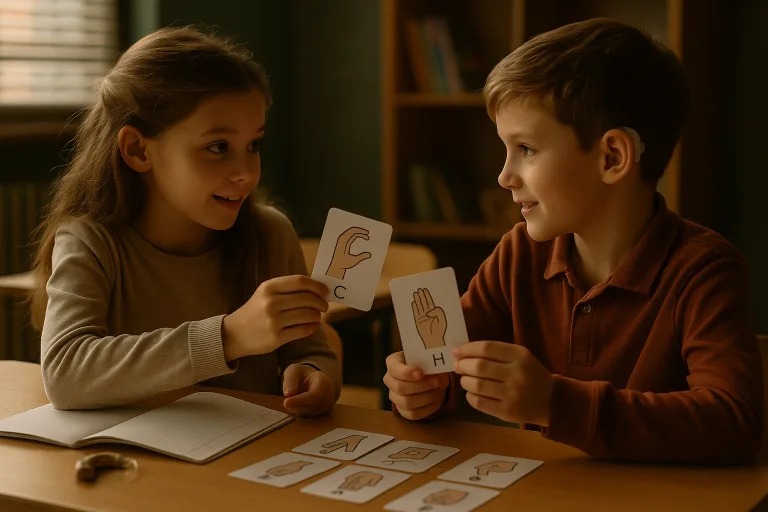
— Visual support: use slides, written instructions, pictures, captions, and gesture/sign reinforcement.
— Clear communication: face the student, speak clearly at a normal pace, rephrase rather than repeat louder, and check understanding regularly.
— Classroom acoustics: reduce background noise, use rugs, curtains, and soft furnishings where possible; request FM or other assistive listening systems if available.
— Lesson planning: prepare written summaries, key vocabulary lists, and visual cues; allow extra processing time and use