Inclusive Education and Social Adaptation for Children with Hearing Impairments in Dolinsk, Russia
Introduction
Children with hearing impairments can thrive academically, socially and emotionally when families, schools and communities work together. This guide focuses on practical steps for parents, teachers and local specialists in Dolinsk (Сахалинская область) to build inclusive educational environments, provide effective support, and foster social adaptation.
Key principles
— Emphasize early diagnosis and intervention. The sooner a child’s hearing needs are identified, the better the outcomes for language, learning and social development.
— Use a family-centered approach. Parents are partners in planning and implementing interventions.
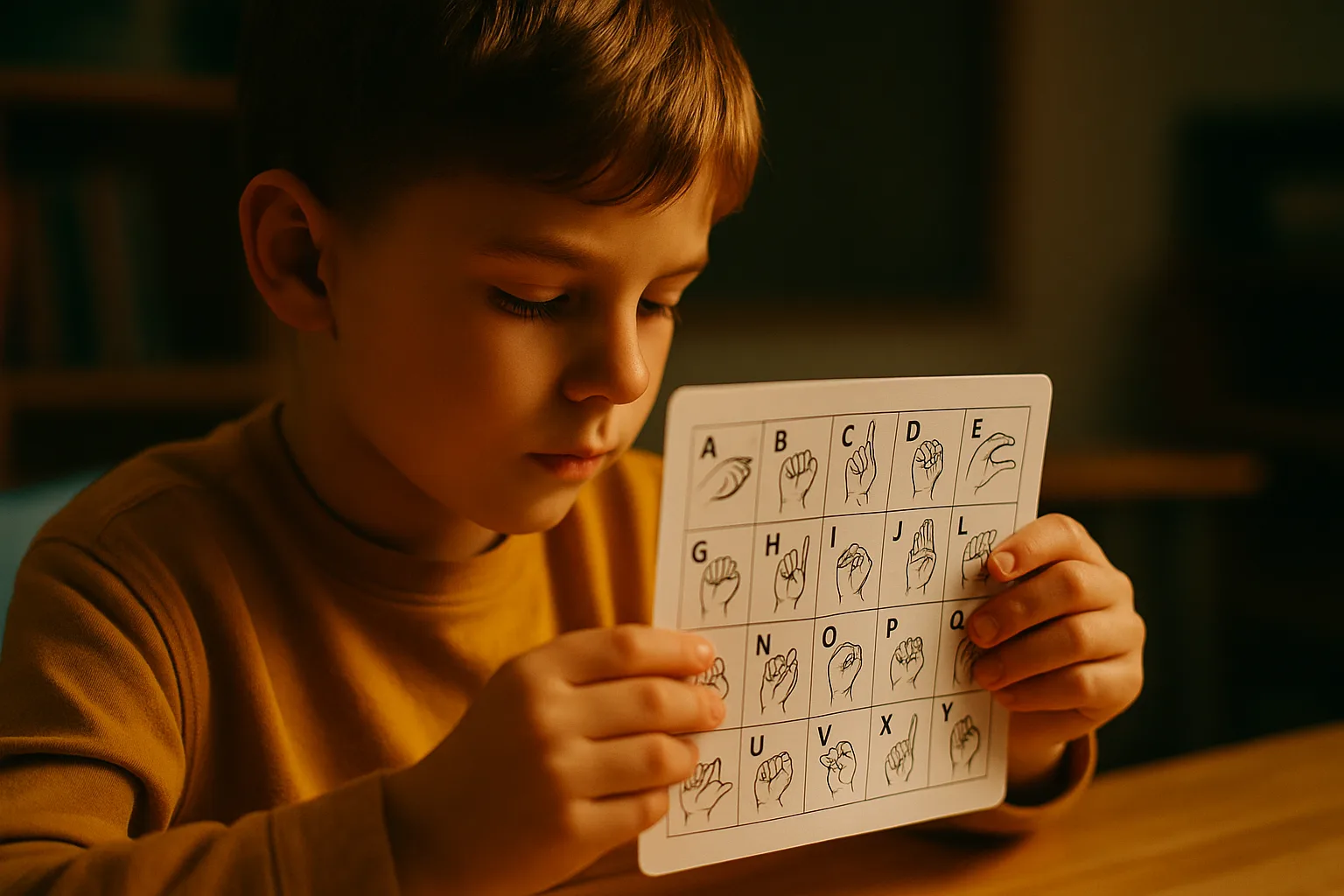
— Combine communication methods. Individual children benefit from a mix of spoken language, sign language, visual supports and assistive technologies.
— Promote inclusion, not segregation. Inclusive classrooms with appropriate supports produce better academic and social outcomes.
Steps for parents in Dolinsk
1. Get a comprehensive assessment
— Ask your local pediatrician or Dolinsk polyclinic (детская поликлиника) for a referral to audiology and ENT (ЛОР).
— Request audiograms, speech and language evaluations, and, if relevant, assessments for assistive device candidacy (hearing aids, cochlear implants).
2. Secure early rehabilitation and speech therapy
— Start speech therapy (логопедическая помощь) and auditory-verbal therapy as soon as possible.
— Look for regional rehabilitation services; ask the municipal education or social protection offices about available programs and subsidies.
3. Know your child’s educational options
— Discuss placement with the school: mainstream classroom with supports, a resource room, or specialized programs.
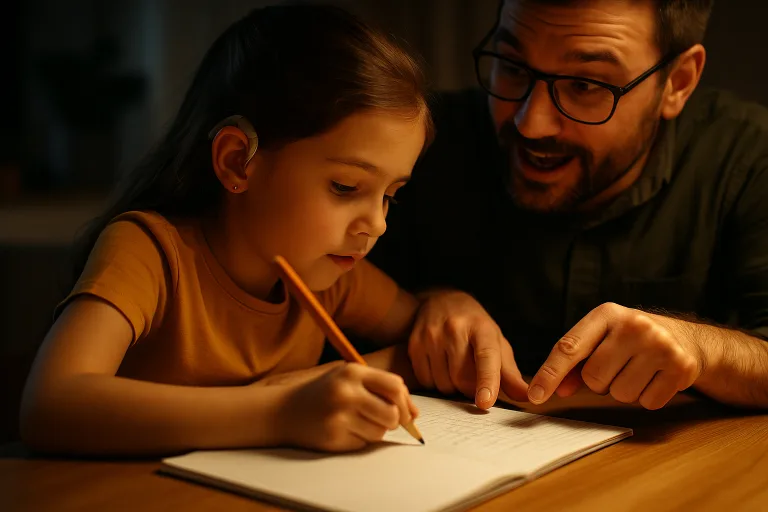
— Request an individualized education plan (IEP) or its local equivalent (индивидуальная программа реабилитации/абилитации), outlining accommodations, therapy schedules and learning goals.
4. Access financial and technical support
— Contact the local social protection office (отдел социальной защиты населения) to learn about benefits for medical devices, transportation, and rehabilitation.
— Ask about regional programs that assist with hearing aids, batteries, cochlear-implant support, and specialized equipment (FM systems, captioning tools).
5. Build a support network
— Connect with other families in Dolinsk or Sakhalin region for experience-sharing and emotional support.
— Seek parent-training workshops on communication strategies and advocacy.
Practical strategies for teachers and schools
— Classroom acoustics and seating
— Minimize background noise, use carpets and curtains where possible, and seat the child close to the teacher and visual cues.
— Visual supports and multimodal instruction
— Use clear visual aids, written instructions, pictograms and demonstrations to reinforce spoken information.
— Communication strategies
— Face the student when speaking, use natural facial expressions and gestures, speak clearly (not loudly), and check comprehension frequently.
— Assistive technologies
— Integrate FM/DM systems, classroom amplification, captioned videos and interactive whiteboards when feasible.
— Collaboration and planning
— Hold regular meetings with parents, therapists, and any interpreters to coordinate goals and progress.
— Peer inclusion
— Implement buddy systems, cooperative learning and structured group activities so classmates learn to communicate and support each other.
Support services and specialists to involve
— Audiologist and ENT specialist (аудиолог, ЛОР) — for diagnosis and device management.
— Speech and language therapist / logopedist (логопед) — for language development and articulation.
— Special education teacher (учитель-дефектолог) — for curriculum adaptation and classroom strategies.
— Psychologist (психолог) — for social-emotional support and adaptive behavior training.
— Sign language instructor / interpreter (преподаватель русского жестового языка / сурдопереводчик) — when sign language is part of the child’s communication plan.
— Rehabilitation centers and multidisciplinary teams — for coordinated therapy programs and family counseling.
Social adaptation: activities and practices
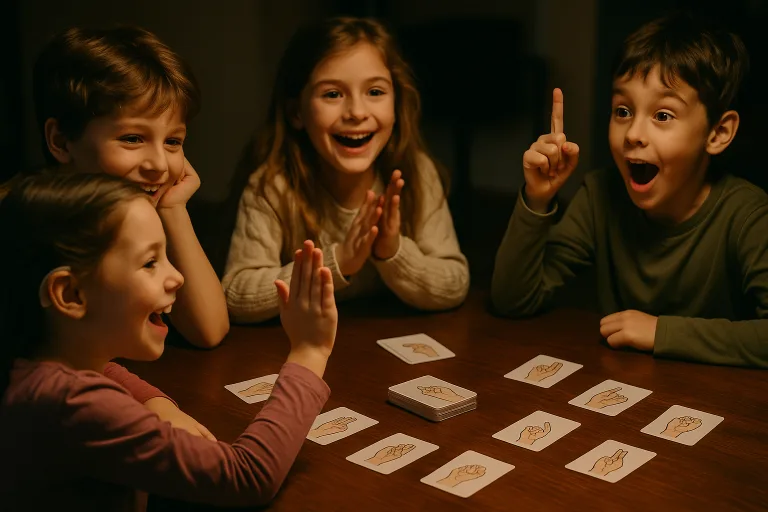
— Social skills groups: role-playing, structured play sessions and group tasks to practice conversational turn-taking and nonverbal cues.
— Extracurricular inclusion: sports, arts and clubs adapted with visual instructions and supportive peers.
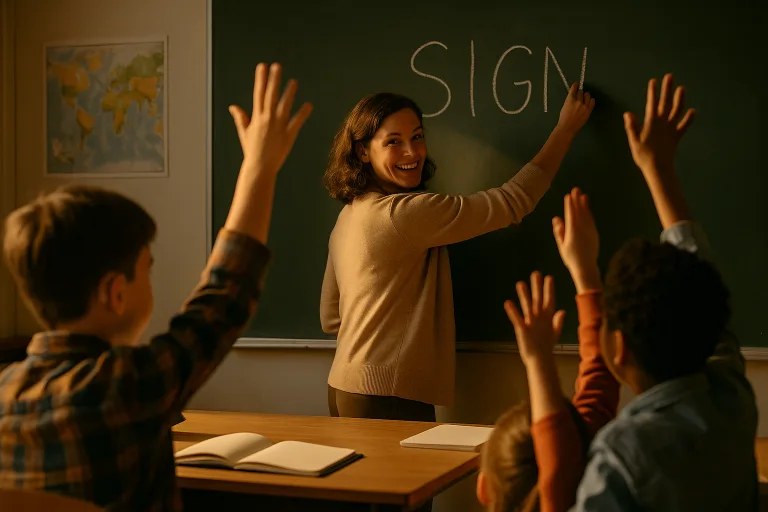
— Awareness and sensitivity training: short lessons for classmates about hearing impairment, respectful communication and inclusion.
— Community outings: supervised trips to local cultural or recreational sites with preparation and follow-up discussions to build confidence.
How to find resources in Dolinsk and Sakhalin region
— Contact the Dolinsk municipal education department (отдел образования города Долинск) to ask about inclusive programs, special education consultations and local school contacts.
— Ask your local clinic or central district hospital (ЦРБ Долинск) for referrals to audiology and ENT services.
— Inquire at the regional social protection office (отдел социальной защиты населения) about benefits, device subsidies and rehabilitation services.
— Search for regional rehabilitation or early intervention centers in Sakhalin (поиск: реабилитационный центр Сахалин, ранняя помощь детям с ОВЗ).
— Look for online and national organizations for families of children with hearing loss for materials and guidance (World Health Organization, educational resources on Deaf education, and Russian parent communities).
Sample questions to ask professionals
— What is my child’s exact level and configuration of hearing loss?
— What communication approaches and therapies do you recommend?
— Is my child a candidate for hearing aids or cochlear implants, and what supports are available locally?
— How will the school accommodate my child’s needs day-to-day?
— What progress goals should we expect in 3–6 months?
Quick checklist for an inclusive school plan
— [