Inclusive Education and Support for Children with Hearing Impairments in Dolinsk, Russia
Inclusive education in Dolinsk: Helping children with hearing impairments thrive
Children with hearing impairments in Dolinsk, Sakhalin Oblast, have the right to a full, meaningful education and social life. Achieving that requires coordinated work between families, schools, medical services, and the local community. This article outlines practical steps and local pathways to strengthen inclusive education, support parents and teachers, and promote social adaptation for children with special needs in Dolinsk.
Local context and legal framework
— Russia’s Federal Law «On Education» guarantees access to education for children with disabilities and supports inclusive forms of learning.
— Local implementation involves the Dolinsk school system, the district Department of Education, the psychological-medical-pedagogical commission (PMPK/ПМПК), and regional medical/audiology services (often in Yuzhno-Sakhalinsk for specialized care).
— Social services and regional programs may assist with assistive devices (hearing aids, cochlear implants) and rehabilitation — families should contact the local social protection office (отдел социальной защиты населения).
Early identification and medical/rehabilitation support
— Prioritize early hearing screening and timely referral to audiology/ENT specialists. If specialized care isn’t available in Dolinsk, seek regional centers in Sakhalin.
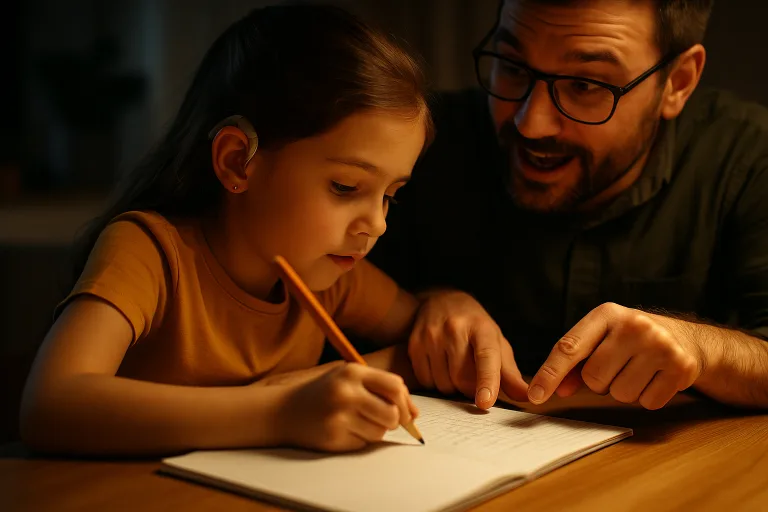
— Ensure access to hearing technology (hearing aids, cochlear implants) and regular maintenance. Ask social services about state subsidies or regional programs.
— Enroll infants and young children in early intervention services — speech therapy, auditory-verbal therapy, and family counseling improve long-term outcomes.
Education models and classroom strategies
— Inclusive classroom with individual support is often the best option when feasible. Alternatives include specialized classes or combined models depending on the child’s needs.
— Create an Individualized Education Plan (IEP) or the local equivalent with measurable goals, accommodations, and a schedule for review. Include parents, teachers, school psychologist, and if possible, a rehabilitation specialist.
— Practical classroom accommodations:
— Seating near the teacher and away from noise sources.
— Use of FM/infrared systems or classroom amplification when available.
— Visual supports: written instructions, pictograms, and clear gestures.
— Clear lighting and minimal backlight to aid lipreading and visual cues.
— Preferential seating during group work; small-group instruction with an assistant.
— Structured lessons with written summaries and repetition of key points.
— Pre-teach vocabulary and use multimodal materials (video with captions, hands-on activities).
Communication approaches
— Respect family choices: some families prefer oral/aural approaches, others sign language or total communication. Support whichever approach aligns with the child’s needs and family’s goals.
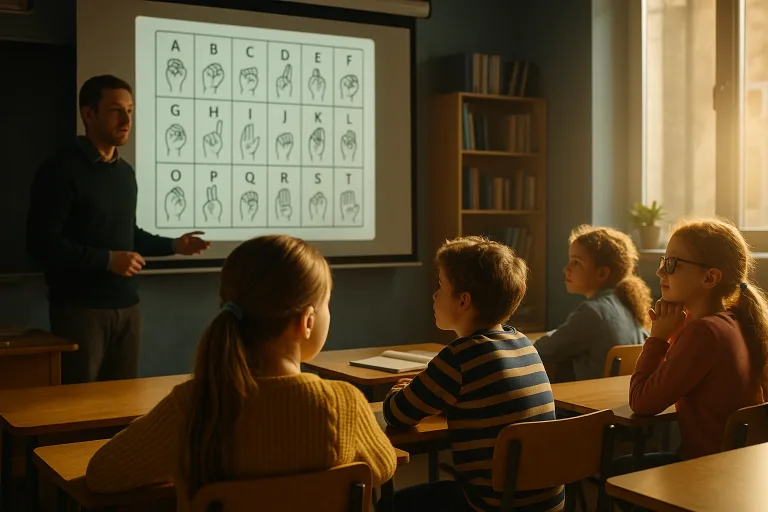
— Encourage teachers to learn basic Russian Sign Language signs and visual cueing to enable immediate communication.
— Use captioned videos, visual schedules, and pictorial supports to reinforce learning.
Support for parents
— Build a local parent support group in Dolinsk — shared experiences reduce isolation and speed problem-solving. Consider meeting monthly or online.
— Educate parents about their rights: how to request assessments (PMPK), IEPs, and what state programs may cover for devices and rehab.
— Practical home strategies:
— Use face-to-face communication, clear speech, and visual supports.
— Create routines and visual schedules to reduce anxiety.
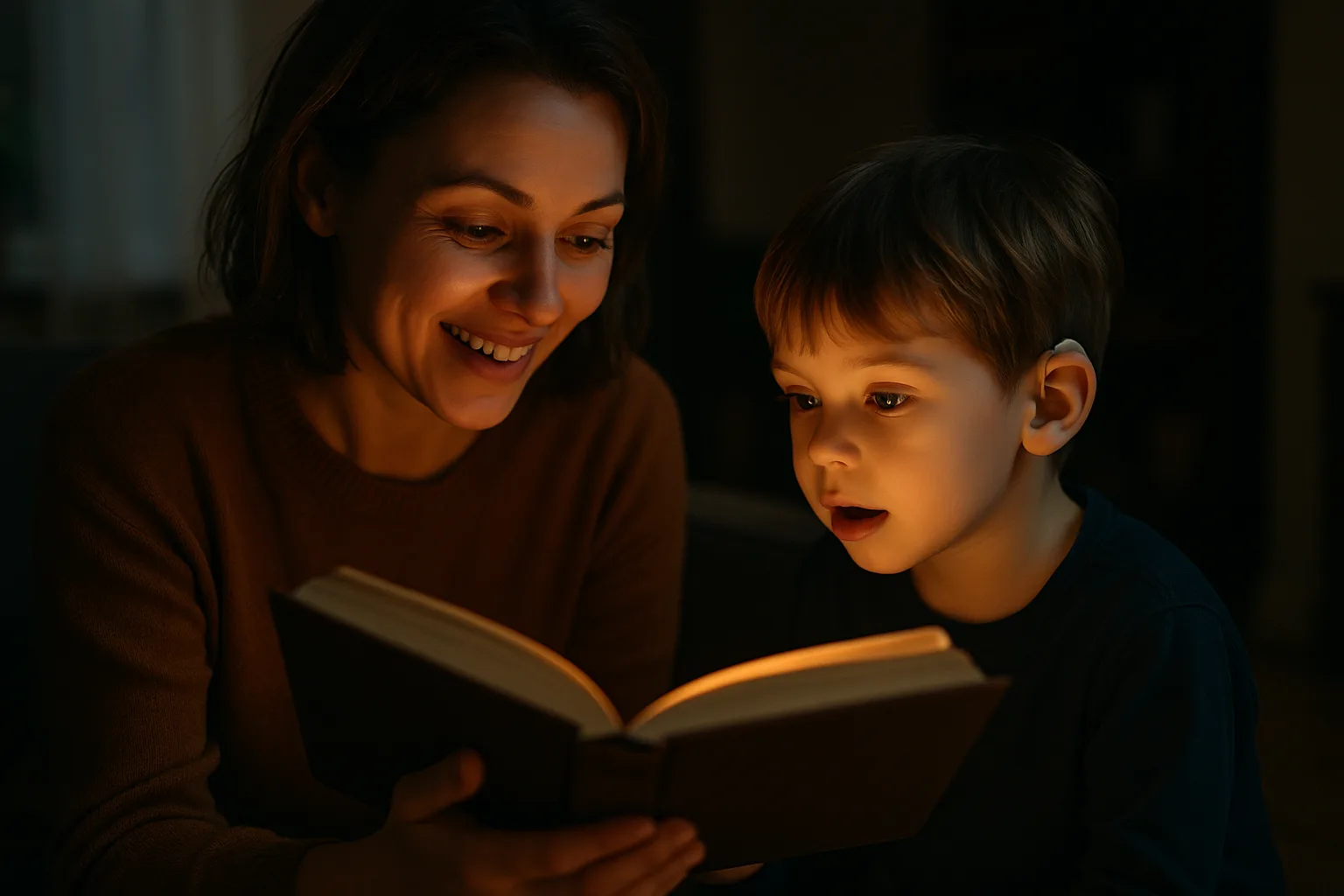
— Read aloud daily and use captioned media to reinforce language.
— Encourage social play with hearing peers, with adult facilitation at first.
Support for teachers and school staff
— Offer regular professional development: basic audiology/communication training, classroom amplification use, behavior management, and inclusive pedagogy.
— Appoint an inclusion coordinator or specialist (even part-time) to support classroom teachers and liaise with families and specialists.
— Use co-teaching, paraprofessionals, or volunteers to support small-group instruction and individualized attention.
Social adaptation and community inclusion
— Promote mixed extracurricular activities: sports adapted as needed, drama, art clubs, and scouts — these build friendships and self-esteem.
— Peer education programs: short classroom sessions teaching classmates about hearing loss and inclusive behavior reduce stigma.
— Organize community events in Dolinsk that are accessible and emphasize participation (e.g., inclusive cultural days, sports tournaments).
Practical action plan for Dolinsk (first 6–12 months)
1. Map current local services: schools, PMPK, social protection office, nearest audiology center.
2. Convene a district working group: Department of Education rep, school principals, PMPK members, parents, and health specialists.
3. Establish a parent support group (in-person and online).
4. Pilot one inclusive classroom with staff training, basic classroom amplification, and an assistant.
5. Run teacher workshops on communication strategies and IEP development.
6. Create a simple referral and follow-up flow so every child with suspected hearing loss is evaluated and tracked.
7. Publicize successes to build community support and attract regional resources.
Checklist for schools and parents
— Has the child been evaluated by PMPK and an audiologist?
— Is an individualized plan in place with measurable goals and accommodations?
— Are classroom