Inclusive Education and Social Adaptation for Children with Hearing Impairments in Dolinsk
Introduction
Children with hearing impairments have the same potential to learn, grow and participate in community life as their peers. In Dolinsk, as across Russia, successful inclusion depends on early detection, coordinated medical and educational support, trained teachers and engaged families. This article outlines practical steps for parents, teachers and local communities to create an inclusive environment and support the social adaptation of children with special needs.
Early detection and medical support
— Watch for early warning signs: delayed speech, lack of response to name, inconsistent reactions to sounds, or preference for visual attention.
— Seek evaluation from your pediatrician and a pediatric ENT (детский оториноларинголог — ЛОР). Ask for referral to an audiologist (аудиолог) for formal hearing tests.
— Follow recommended interventions: hearing aids, cochlear implants (if indicated), and auditory-verbal therapy. Specialized care may be available in regional centers (e.g., Yuzhno‑Sakhalinsk) if not locally.
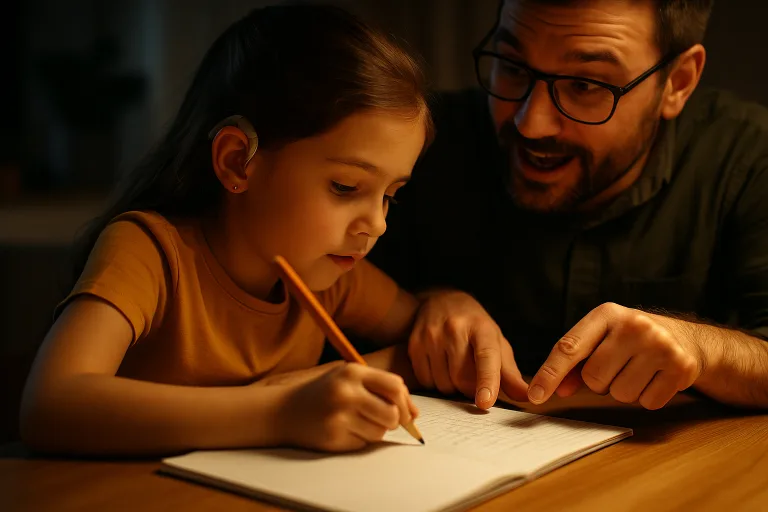
— Early and consistent therapy (логопед, аудиологические занятия) dramatically improves language and learning outcomes.
Educational approaches: building truly inclusive classrooms
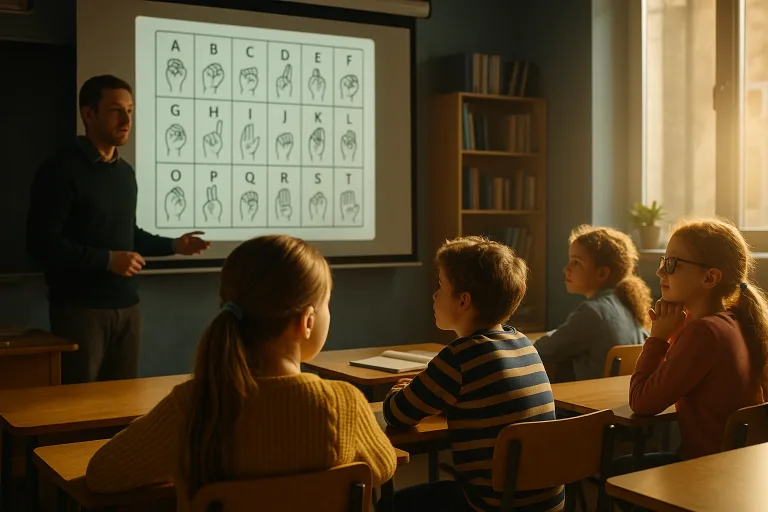
Inclusive education is more than placing a child with hearing impairment in a general classroom. It requires planning, collaboration and adaptive teaching methods.
Key classroom adaptations:
— Seating: place the child near the teacher and away from noise sources.
— Visual supports: use written instructions, pictograms, sign cues and visual schedules.
— Reduce background noise: close windows/doors, use carpets and soft furnishings when possible.
— Use of assistive technology: FM systems, classroom microphones, captioned videos and personal hearing device support.
— Lesson design: pre-teach vocabulary, provide written summaries, break tasks into small steps.
— Maintain face visibility: avoid obstructive masks, ensure clear view for lipreading and facial expressions.
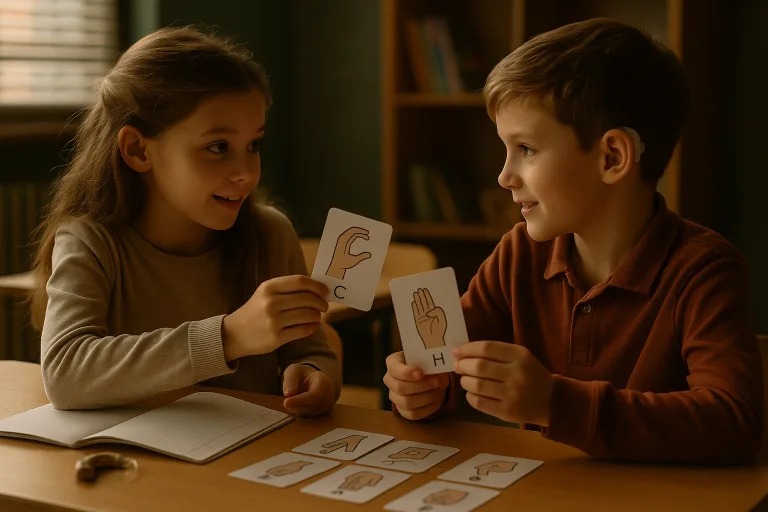
— Peer support: buddy systems and cooperative learning promote language practice and social inclusion.
Practical strategies for teachers
— Speak clearly, at a natural pace; use short sentences and rephrase rather than repeat louder.
— Check comprehension frequently with targeted questions.
— Use multisensory instruction (visual + tactile + auditory).
— Provide written notes and assignments; allow extra time for processing.
— Collaborate with special educators, speech therapists and parents to create an Individualized Education Plan (IEP) or tailored learning goals.
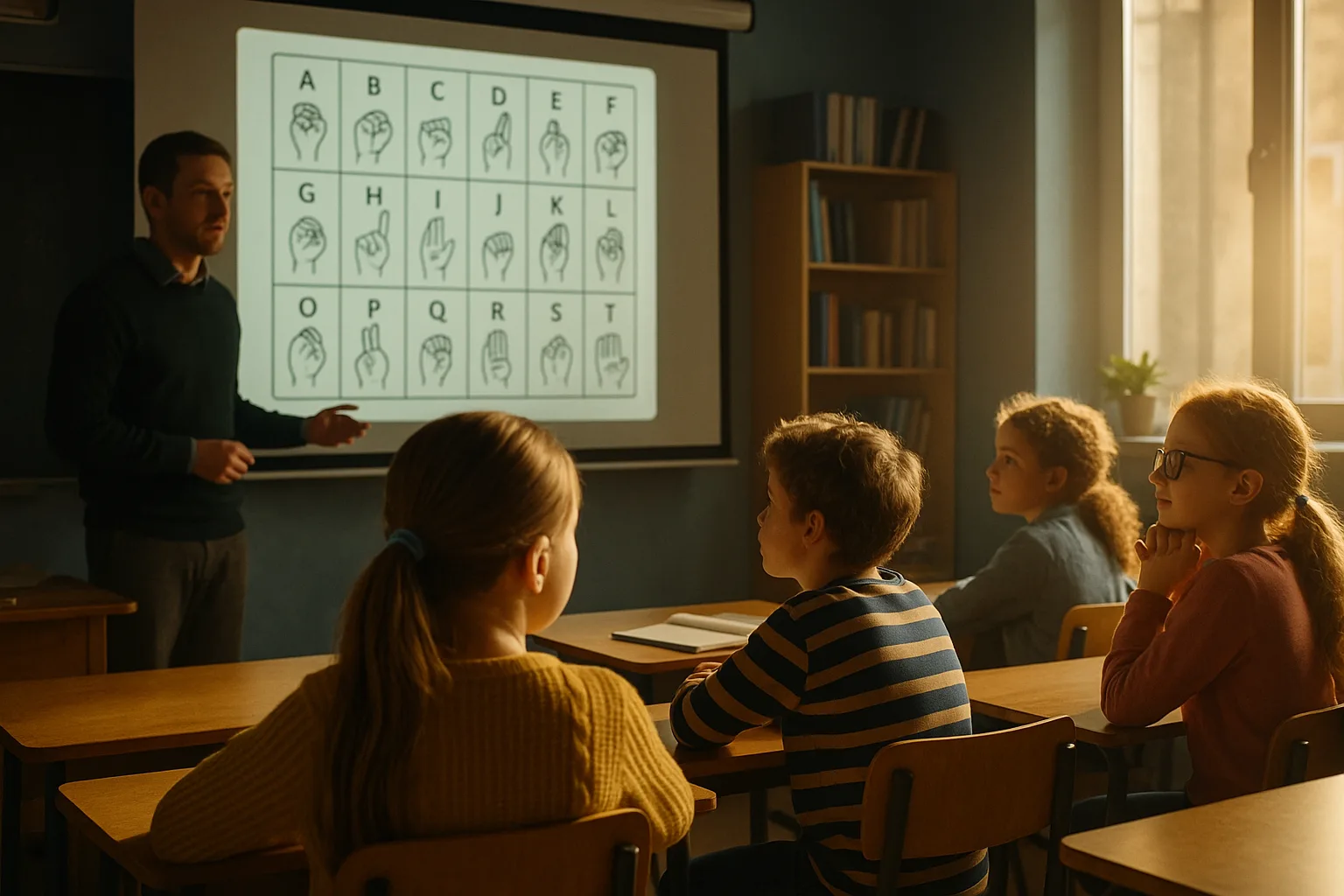
— Attend professional development on deaf education, sign language basics and assistive technologies.
Support for parents: home, advocacy and emotional support
— Build a supportive language environment: read aloud daily, narrate routines, use simple, repetitive language and expand on the child’s attempts to communicate.
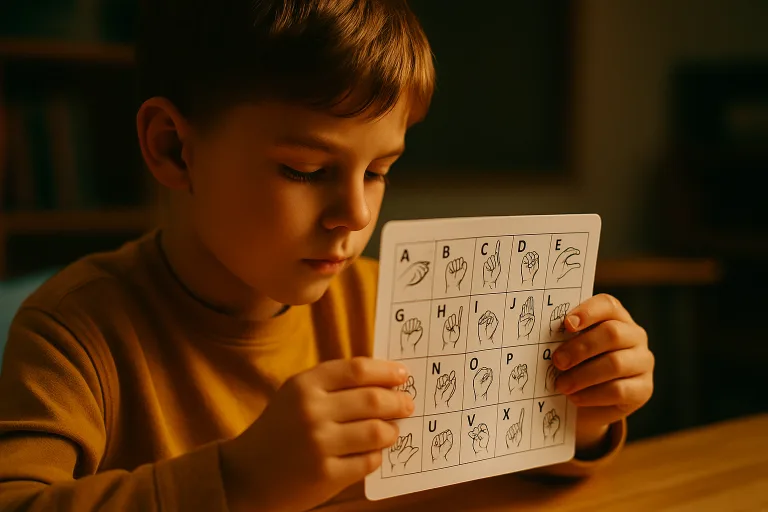
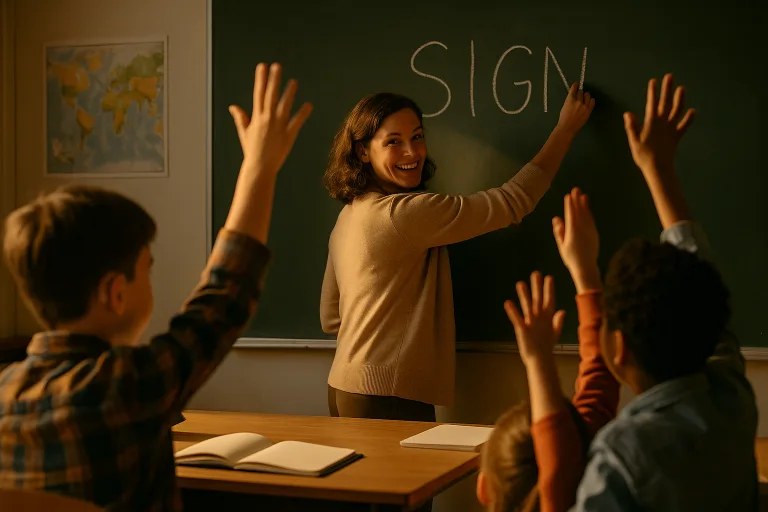
— Learn and use visual communication methods — basic Russian Sign Language signs or gesture-supported speech — to reduce frustration and promote early language.
— Create structured playdates and small-group activities to practice social skills in a low-stress setting.
— Keep detailed records of medical reports, educational assessments and therapy notes to support school planning and benefit applications.
— Connect with other parents for mutual support and experience-sharing; local groups or online communities can be invaluable.
— Attend to emotional well-being: families often need counseling or peer support when adjusting to diagnoses and interventions.
Social adaptation and community inclusion
— Encourage participation in extracurriculars adapted to the child’s needs: sports, arts, scouts, or community clubs with clear routines and visual instructions.
— Promote peer awareness: age-appropriate education for classmates about hearing differences reduces stigma and bullying.
— Organize community events with accessibility in mind: clear sound systems, visual signage and quiet spaces.
— Foster independence: teach self-advocacy skills (how to request clarification, use devices, and explain needs) early.
— Work with local cultural centers, libraries and youth organizations to create inclusive programming.
Local steps for families in Dolinsk
— Start with your child’s pediatrician for referrals to ENT and audiology services.
— Contact your school’s administration and school psychologist to begin planning educational support.
— Reach out to the Dolinsk municipal education department and the local отдел социальной защиты for information on services, benefits and official classifications (статус ОВЗ/инвалидности) if needed.
— If specialized services are limited locally, ask about regional resources in Yuzhno‑Sakhalinsk or other Sakhalin centers for diagnostics and advanced rehabilitation.
— Seek out regional parent groups, the Russian Society of the Deaf (Российское общество глухих) and other national organizations for guidance, training and community connections.
Rights, funding and documentation
— Familiarize yourself with national and regional policies that support children with disabilities and inclusive