Inclusive Education and Social Adaptation for Children with Hearing Impairments in Dolinsk
Inclusive Education and Social Adaptation for Children with Hearing Impairments in Dolinsk
This article summarizes practical steps and local‑focused recommendations for parents, teachers and community actors in Dolinsk who support children with hearing impairments. It covers early diagnosis and medical support, classroom strategies for inclusive education, social adaptation, and how to find and coordinate local resources.
1. Quick overview: why this matters
Children with hearing impairments benefit most when medical, educational and social supports work together. Timely diagnosis, appropriate assistive technology and well‑prepared inclusive classrooms reduce learning gaps and improve social integration. For Dolinsk families and schools, building local networks and clear plans is essential.
2. Early diagnosis and medical support
— Seek timely hearing assessment: audiology testing, otoacoustic emissions, brainstem responses. Early diagnostics enable early intervention.
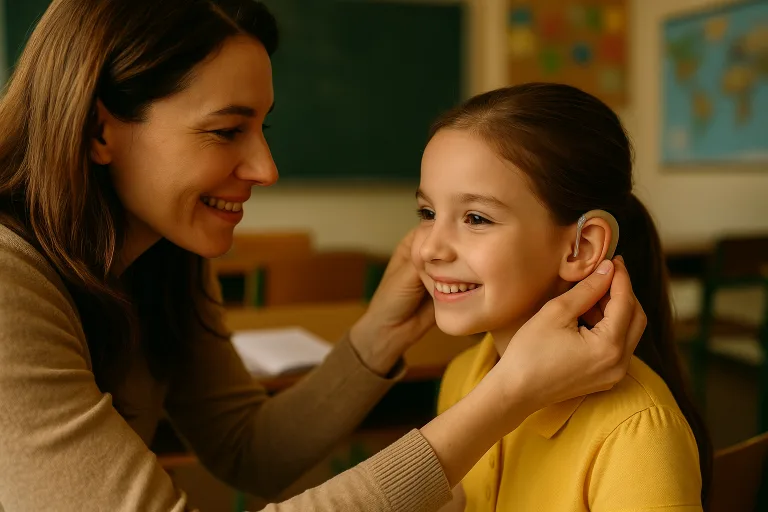
— Explore hearing technologies: hearing aids, cochlear implants—follow decisions with ENT specialists and audiologists.
— Follow therapy plans: auditory‑verbal therapy, speech therapy (логопедическая помощь), family coaching.
— Coordinate medical and educational records so schools can provide the right accommodations.
Practical local step: contact the nearest regional medical center or audiology clinic (Sakhalin region) and the Dolinsk district health authorities to learn referral pathways and waiting lists.
3. Legal and organisational framework (what parents and schools should know)
— Russian legislation supports inclusive education and special educational needs accommodations; parents can request individualized educational plans or specialized support within mainstream schools.
— Request an assessment from local psychological‑medical‑pedagogical commission (ПМПК / психолого‑медико‑педагогическая комиссия) to determine the child’s educational needs and recommendations.
— Keep copies of official recommendations to present to the school administration and teachers.
Tip: Ask the Dolinsk education department for guidance on forming and implementing an individual education plan (IEP/индивидуальный образовательный маршрут).
4. Practical classroom strategies for teachers (inclusive practices)
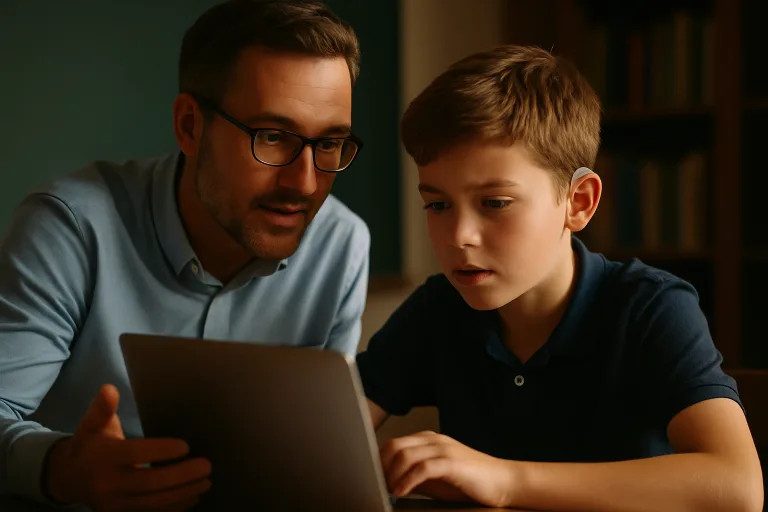
— Seat the child near the teacher and good lighting; reduce background noise.
— Use visual supports: written instructions, pictures, diagrams, captions for videos, and gesture/gesture‑sign cues.
— Speak clearly, face the child, use natural lip movements and simple sentences.
— Check comprehension frequently and allow extra time for responses.
— Use small‑group work and peer buddies to support social learning.
— Provide written summaries of lessons and homework in a consistent place (notices, digital platform).
— Coordinate with speech therapists and sign language interpreters when needed.
Classroom tools to consider:
— Personal FM/remote microphone systems (if available).
— Captioned videos and visual lesson plans.
— Multi‑sensory activities that engage visual and tactile channels.
5. Communication approaches
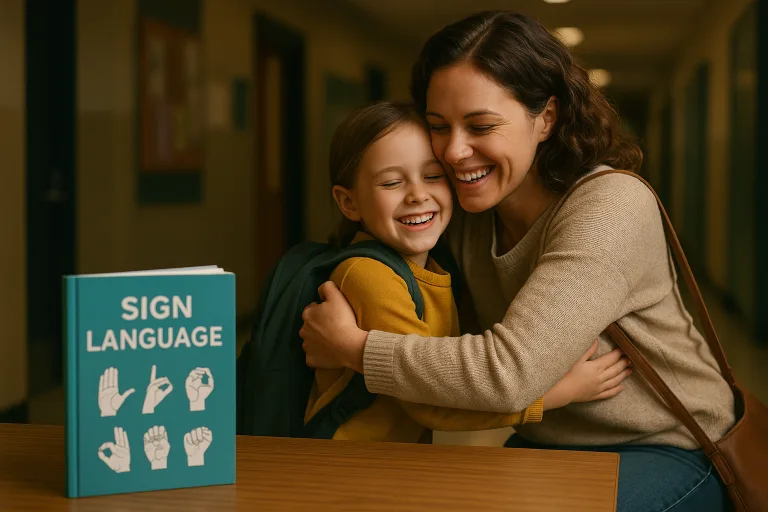
— Respect family choices about communication: oral, sign language (Russian Sign Language — РЖЯ), or a bilingual approach.
— If using sign language, ensure adults and some peers receive basic training to reduce isolation.
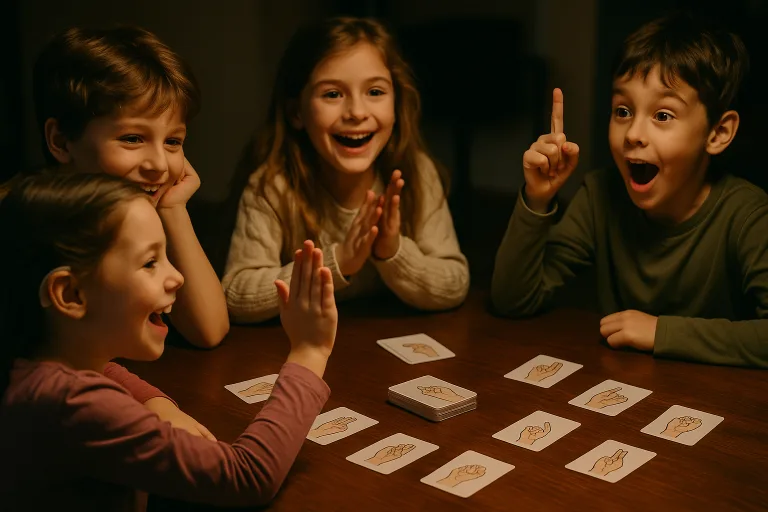
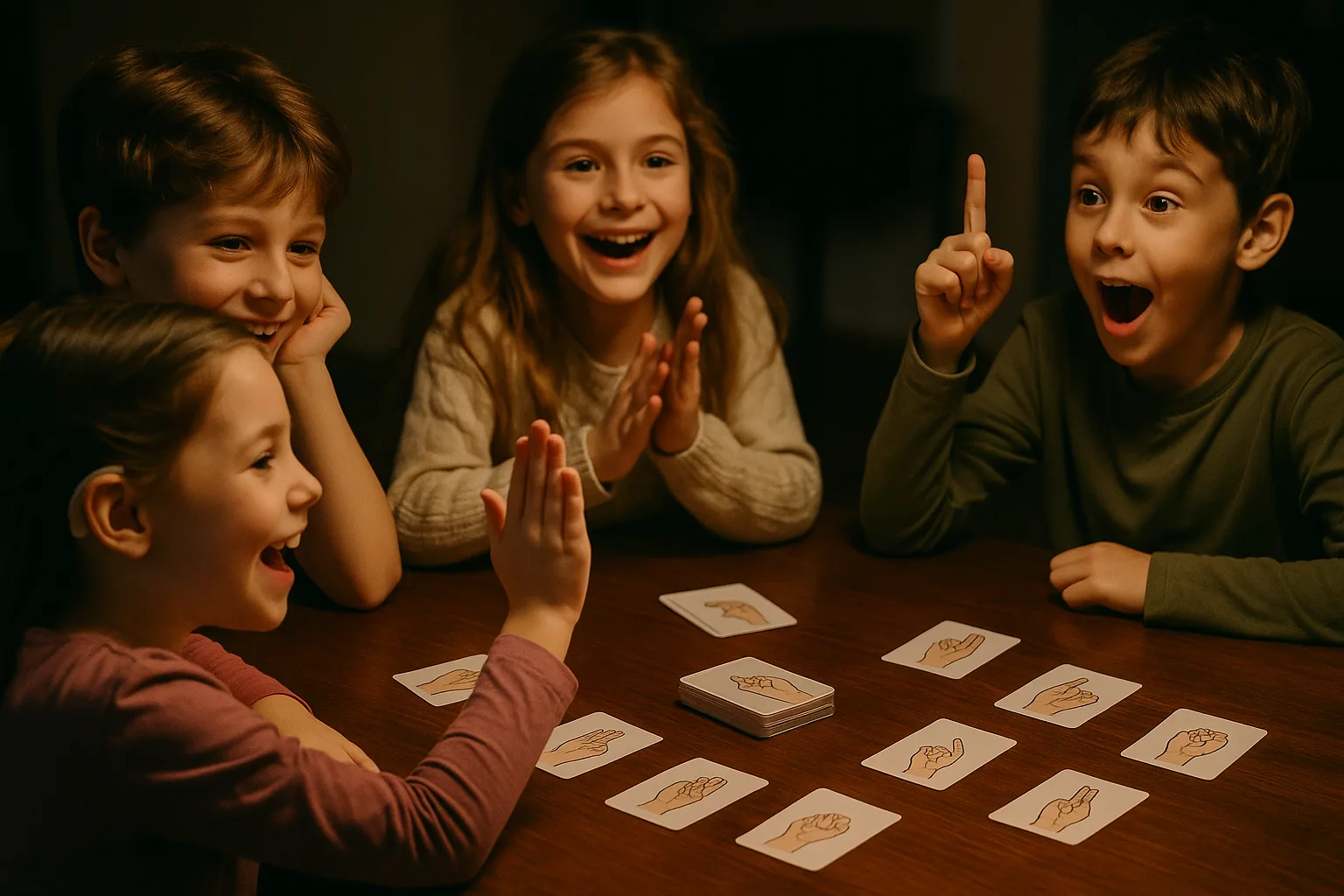
— Teach classmates simple signs and etiquette (how to get attention, not to speak while someone signs, etc.).
6. Support for parents
— Build a local support network: other Dolinsk families, regional parent groups, online communities.
— Keep records of evaluations, therapy schedules and educational plans.
— Advocate for appropriate school accommodations and follow up regularly with teachers and administrators.
— Encourage social opportunities: clubs, sports with adapted communication, and structured playdates.
Suggested actions:
— Ask the school for a meeting after diagnosis to set goals and responsibilities.
— Request training for teachers if they lack experience with hearing impairments.
7. Social adaptation and peer inclusion
— Promote structured inclusive activities (project work, paired tasks) so children form friendships through shared goals.
— Teach classmates about hearing impairments to reduce stigma and bullying.
— Encourage participation in extracurriculars with appropriate supports (aide, adapted instruction).
— Foster self‑advocacy skills in the child: asking for clarifications, using assistive devices, and explaining their needs.
8. Working with local institutions in Dolinsk
— Contact Dolinsk education authorities for available resources and funding routes for aids or support staff.
— Reach out to regional organizations and cultural centers to include deaf or hard‑of‑hearing children in events.
— Explore collaboration with Sakhalin‑region specialists (audiologists, special educators) for training and consultations.
How to search locally:
— Query the Dolinsk municipal education department (отдел образования) and social services (социальная защита) for programs and referrals.
— Search for regional branches of national organizations (for example, All‑Russian or Sakhalin organizations that support the Deaf and people with disabilities).
9. Recommended routines and checklist for parents/teachers
— Medical: schedule audiology and ENT follow‑ups; keep technology (hearing aids/cochlear processors) charged and maintained.
— School: obtain ПМПК recommendations; establish an IEP and review it each term.
— Classroom: set seating, add visual supports, check hearing‑friendly acoustics.
— Home: maintain consistent language environment, practice listening and speech exercises, create quiet homework space.
— Social: organize regular peer interactions and monitor for bullying; teach social skills explicitly.
10. Building long‑term outcomes
— Early and coordinated intervention improves language, learning, and social outcomes.
— Regular reviews and flexible adjustments to educational plans keep supports aligned to the child’s evolving needs.
— Investing in teacher training and community awareness in Dolinsk creates sustainable inclusive environments.
11. Useful search terms and contacts (how to find help)
— Search terms to use online or with municipal offices:
— «помощь детям с нарушением слуха Долинск»
— «отдел образования Долинск инклюзивное образование»
— «ПМПК Сахалинская область»
— «логопед, сурдопедагог, сурдолог Сахалин»
— «всероссийское общества глухих Сахалин»
— Ask local social services or the school principal for current contact lists and referrals.
Closing note
Inclusive education is a process: medical care, school supports and social inclusion work best when families, teachers and local services collaborate. In Dolinsk, building those connections and asking for concrete plans and training are the most practical first steps to give children with hearing impairments the best chance to learn and thrive.