Inclusive Education and Social Adaptation for Children with Hearing Impairments in Dolinsk
Introduction
Children with hearing impairments in small towns like Dolinsk need targeted support from families, schools, medical services, and the community to thrive. Inclusive education is not only a legal and ethical imperative — it is the best way to develop communication skills, social adaptation, and confidence. This article gives practical advice for parents, teachers, and local authorities in Dolinsk and nearby Sakhalin to create effective, sustainable support systems.
Context in Dolinsk and Sakhalin Oblast
— Dolinsk has limited specialized resources compared with regional centers, so timely coordination with district and regional services is important.
— For complex diagnostics or interventions (e.g., cochlear implants, advanced audiology), families may need referrals to Yuzhno‑Sakhalinsk or regional medical centers.
— Local partners to contact: the municipal Department of Education (Отдел образования Долинского городского округа), the Centre for Social Protection (Центр социальной защиты населения), and local polyclinic/ENT services. National organization resources such as the All‑Russian Society of the Deaf (Всероссийское общество глухих) have regional branches and online support.
Key principles of inclusive education
— *Early identification and intervention* — timely audiological assessment and speech/communication therapy matter most.
— *Individualized planning* — each child needs an Individual Education Plan (IEP) that sets realistic academic and social goals.
— *Collaboration* — teachers, parents, speech therapists, audiologists, psychologists and social workers must work as a team.
— *Accessibility* — adapt classroom environment, curriculum presentation and communication methods to the child’s needs.
— *Community mindset* — foster peer acceptance and practical inclusion in extracurricular life.
Practical steps for parents (Dolinsk-focused)
— Get a timely audiology assessment at your local clinic; ask for referral to regional specialists if needed.
— Register with the Centre for Social Protection to learn about eligibility for support, benefits and technical aids.
— Insist on an IEP at school and participate actively. Request regular review meetings.
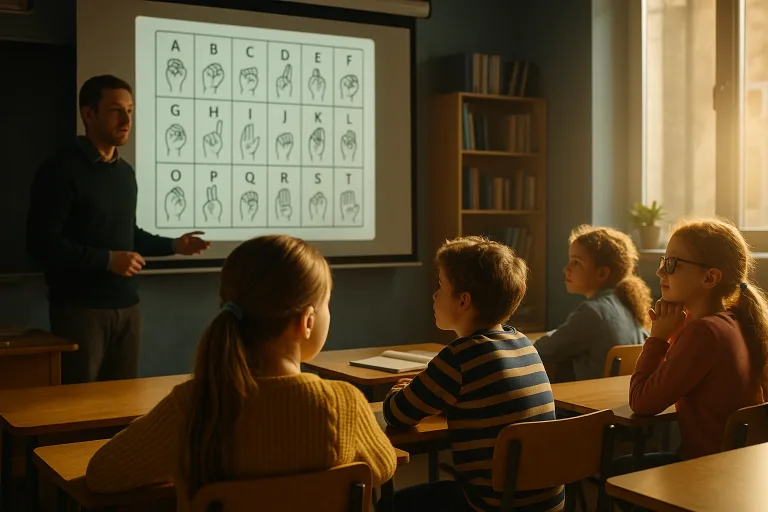
— Learn basic Russian Sign Language (РЖЯ) and encourage family members to use it; it aids bonding and language development.
— Join or form a local parent support group or connect online with regional groups (Sakhalin) and national organizations.
— Ask the school about speech therapy, auditory‑verbal therapy options, and itinerant resource teacher services.
— Promote social adaptation: arrange playdates, encourage participation in clubs, sports and community events; prepare peers with age‑appropriate information about hearing differences.
Practical steps for teachers and schools in Dolinsk
— Create an inclusive classroom plan: preferential seating, clear sight lines, good lighting, reduced background noise.
— Use visual supports: written instructions, pictograms, visual schedules, slides and handouts.
— Pre‑teach vocabulary and concepts; check comprehension with simple questions rather than yes/no only.
— Use multisensory instruction—combine visual, tactile and spoken information.
— Provide captioned videos and written summaries of lessons.
— Implement peer‑support (buddies) and collaborative learning to increase social interaction.
— Request specialist input: itinerant teachers for the deaf/hard of hearing, speech therapists, psychologists.
— Invest in classroom acoustics where possible (soft furnishings, rugs, door seals) and consider portable FM/DM systems if available.
Support for teachers and professional development
— Organize workshops on hearing impairments, inclusive strategies, and basic sign language; invite regional specialists from Yuzhno‑Sakhalinsk.
— Establish mentorship with resource teachers and therapists.
— Use online courses and webinars from reputable Russian organizations and educational resource centers.
— Encourage cross‑classroom collaboration so a single specialist can support multiple classes.
Social adaptation and peer inclusion
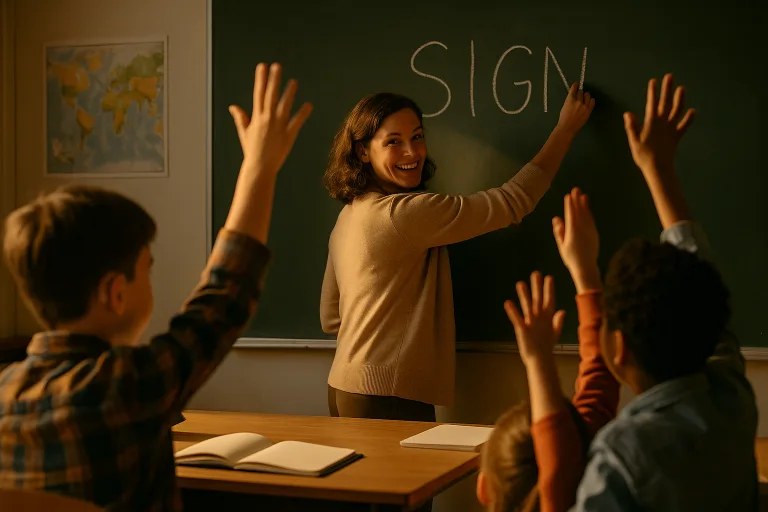
— Teach classmates simple, respectful ways to communicate (face the student, speak clearly, use gestures).
— Run awareness activities and inclusive games that normalize diversity.
— Encourage participation in extracurriculars with reasonable adaptations (visual cues in sports, sign language interpreters at events when possible).
— Support self‑advocacy skills: teach children to express needs, ask for repeats, use assistive devices confidently.
Assistive technologies and rehabilitation
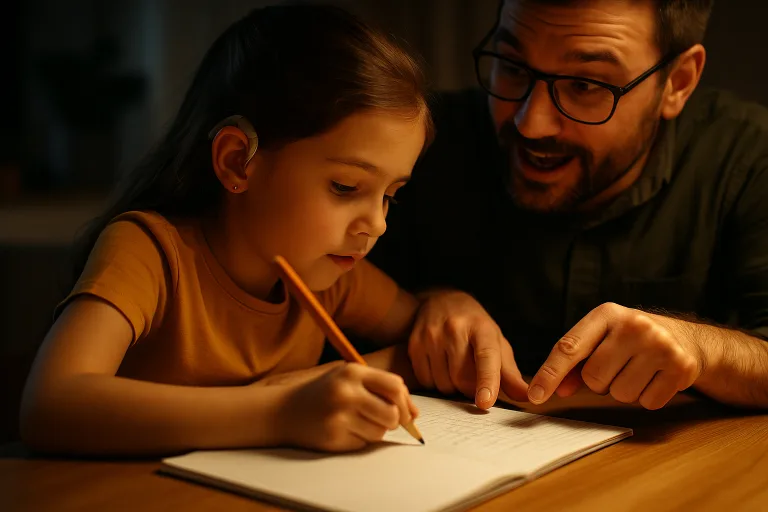
— Standard tools: hearing aids, cochlear implants, FM/DM systems, captioning, vibrating/visual alarms.
— Rehabilitation: speech therapy, auditory‑verbal therapy, sign language instruction, psychological support.
— For advanced technology or surgery, coordinate referrals to regional medical centers in Yuzhno‑Sakhalinsk.
Where to get help (general guidance for Dolinsk residents)
— Local: Dolinsk polyclinic (audiology/ENT), municipal Department of Education, Centre for Social Protection.
— Regional: Sakhalin oblast rehabilitation and medical centers in Yuzhno‑Sakhalinsk for specialized diagnostics and interventions.
— National organisations: All‑Russian Society of the Deaf (В