Education and Inclusion for Children with Hearing Impairments in Dolinsk: Practical Guidance for Parents, Teachers, and the Community
Introduction
Dolinsk’s families and educators face unique challenges and opportunities when supporting children with hearing impairments. This article gathers practical, locally relevant guidance on inclusive education, early intervention, parent and teacher support, and social adaptation — with concrete steps you can take in Dolinsk and the surrounding Sakhalin region.
Understanding hearing impairment
— Hearing impairment ranges from mild to profound and can affect spoken language, social development, and learning.
— Early identification and consistent support are critical: the earlier intervention starts, the better the child’s language, school success, and social integration.
— Support is most effective when medical, educational, and social services work together with families.
Where to start in Dolinsk
— Contact the Dolinsk Municipal Education Department (Муниципальный отдел образования г. Долинск) to learn about inclusive schooling options, special services, and application procedures for individualized support.
— Ask your local polyclinic (районная поликлиника) about pediatric audiology screening and referrals for further assessment.
— Reach out to the municipal social protection office (отдел социальной защиты населения) about benefits, assistive-device programs, and social services available to families of children with disabilities.
— For specialized services beyond Dolinsk, consider regional resources in Yuzhno-Sakhalinsk (audiology, speech therapy, cochlear implant follow-up), and ask your medical provider for appropriate referrals.
Early intervention: first months and years
— Request timely audiological assessment if you suspect hearing loss.
— Seek a multidisciplinary team: audiologist, speech-language pathologist (логопед), ENT specialist, psychologist, and special pedagogue.
— Start language stimulation at home immediately — whether through spoken language, sign language, or a mixed approach — depending on the child’s needs and family choice.
— Establish regular therapy appointments and track progress with simple, observable goals.
Inclusive education in Dolinsk: practical steps for schools
— Evaluate placement options: mainstream class with support, resource room, or specialized program. Decisions should be individualized.
— Develop an Individual Support Plan (ISP) for each child (see sample elements below).
— Provide teacher training in communication strategies and classroom accommodations.
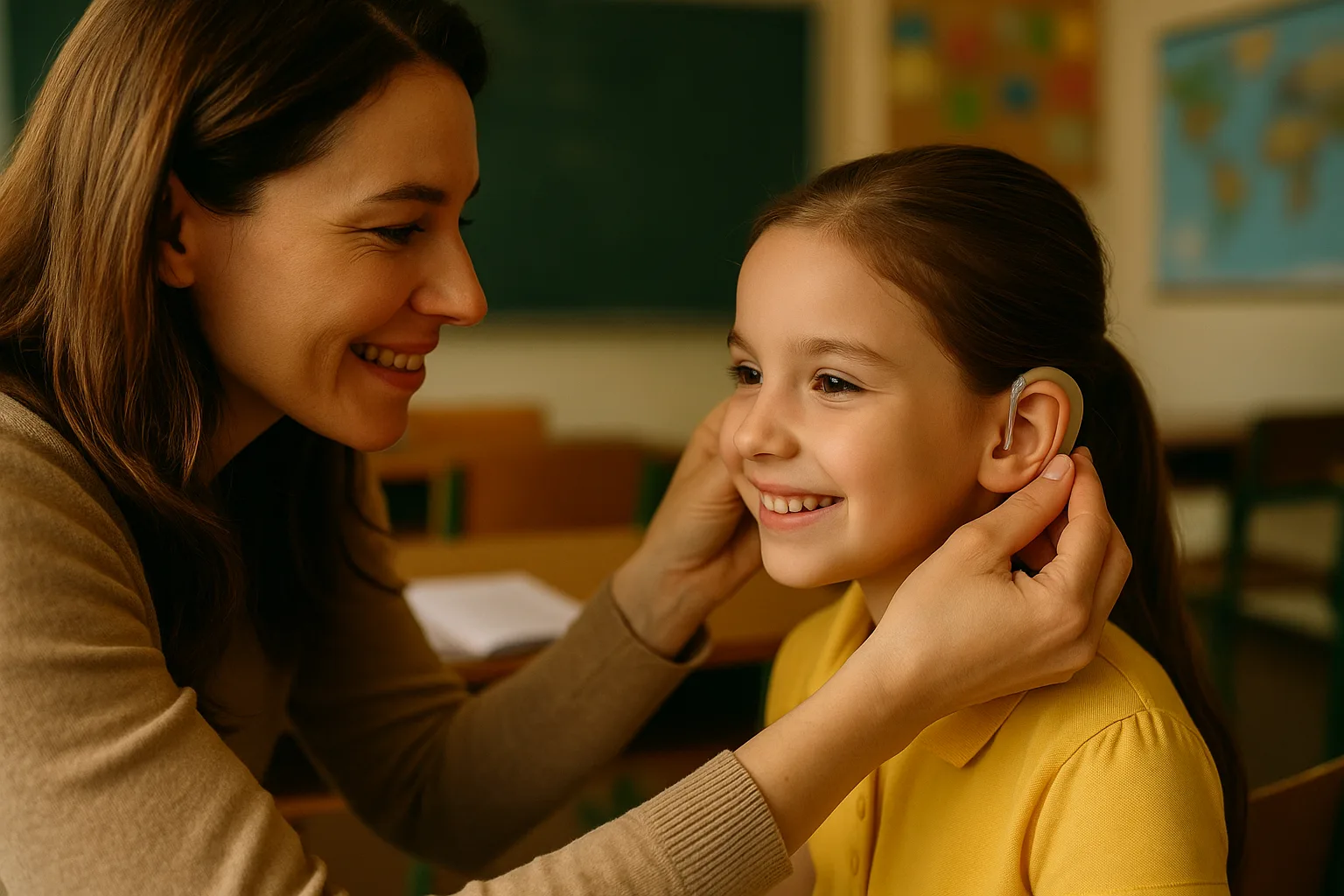
— Use assistive listening devices when available (FM/remote microphone systems, classroom amplification) and ensure hearing aids/cochlear implants are maintained and functioning.
— Facilitate peer mentoring and structured cooperative activities to build social inclusion.
Sample Individual Support Plan (ISP) elements
— Student profile: hearing level, communication mode, strengths and challenges.
— Educational goals: language, literacy, subject-specific targets, social skills.
— Accommodations: seating, visual aids, preferential testing conditions, extra time.
— Therapeutic support: frequency of speech therapy, audiology follow-ups, counselling.
— Assistive technology: type of device, maintenance schedule, classroom use rules.
— Progress monitoring: assessment schedule and responsible staff.
— Family communication plan: who to contact and meeting cadence.
Classroom strategies for teachers
— Seat the child near the teacher and away from noise sources; maintain good lighting for lip-reading and visual cues.
— Use clear, natural speech; face the student; reduce background noise when possible.
— Break instructions into short steps and check comprehension with simple questions.
— Provide visual supports: written instructions, pictograms, captions for videos, and gesture-based cues.
— Use multisensory teaching: combine visual, tactile, and auditory inputs.
— Encourage cooperative learning where peers support each other.
— Plan inclusive assessments: allow oral and written alternatives where appropriate.
Supporting parents and caregivers
— Communicate regularly with teachers and therapists; ask for written summaries of progress and goals.
— Learn basic communication techniques used at school (signs, visual schedules) to reinforce at home.
— Connect with other local families for peer support and shared resources.
— Ask about regional financial and service supports — equipment subsidies, transport assistance to regional centers, and social benefits.
— Prioritize self-care and seek counselling or parent support groups if you feel overwhelmed.
Social adaptation and peer inclusion
— Promote extracurricular activities that emphasize shared interests (sports, arts, robotics) and adapt them as needed.
— Organize small-group social skills activities that teach turn-taking, conversation strategies, and problem-solving.
— Educate classmates about hearing loss in age-appropriate ways to reduce stigma and build empathy.
— Use buddy systems to help the child navigate new environments (lunchroom, assemblies, field trips).
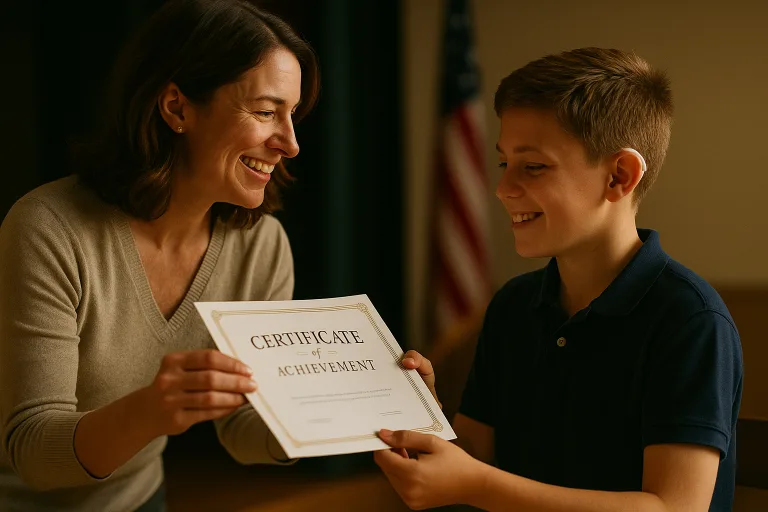
— Celebrate achievements publicly to boost confidence and belonging.
Assistive technologies and maintenance
— Common devices: hearing aids, cochlear implants, FM/remote microphone systems, captioned media.
— Ensure regular device checks: batteries/chargers, cleaning, and technical service.
— Keep spare batteries and basic repair kits at school and home.
— Coordinate with medical providers for audiology follow-ups and device programming.
Training and professional development for Dolinsk educators
— Advocate for regular in-service training on inclusive pedagogy, hearing loss awareness, and communication strategies.
— Build partnerships with regional specialists in Yuzhno-Sakhalinsk for workshops and consultations.
— Use online courses and webinars on special education and speech-language development to supplement local training.
— Establish peer-coaching within schools: experienced teachers mentor colleagues on accommodations and inclusive lesson design.
Working with specialists
— Follow a team approach: teachers, parents, audiologists, speech therapists, psychologists, and social workers.
— Hold periodic multidisciplinary meetings (at least once per term) to review progress and adapt the ISP.
— Keep records of assessments, therapy notes, and device maintenance for consistent care.
Practical checklist for parents and teachers in Dolinsk
— [ ] Get a full audiological and developmental assessment.
— [ ] Register needs with the municipal education and social protection offices.
— [ ] Create an Individual Support Plan with measurable goals.
— [ ] Arrange regular speech therapy and audiology follow-ups.
— [ ] Ensure appropriate classroom seating and visual supports.
— [ ] Check assistive devices weekly and maintain spares.
— [ ] Schedule regular meetings between family and school staff.
— [ ] Connect with local parent groups and regional specialists.