Inclusive Education and Social Adaptation for Children with Hearing Impairments in Dolinsk
Inclusive Education and Social Adaptation for Children with Hearing Impairments in Dolinsk
Children with hearing impairments in Dolinsk, like elsewhere, need coordinated support from families, schools, healthcare and the wider community to thrive academically and socially. This article outlines practical steps, local considerations, and concrete strategies for parents and teachers to build an inclusive environment and promote social adaptation.
Why this matters in Dolinsk
— Dolinsk is a small community where close ties can be an advantage: personalized support, easier coordination between services and quicker communication.
— At the same time, specialized diagnostic and rehabilitation services (audiology, cochlear implant teams, advanced speech therapy) may be based in larger centers on Sakhalin (e.g., Yuzhno‑Sakhalinsk), so families often need guidance on where to go and how to access services and benefits.
Legal and practical foundations
— Russian federal education law guarantees the right to education for children with disabilities and supports inclusive education models. Schools must consider reasonable adaptations and individualized support.
— Parents should collect and keep medical documentation (audiograms, ENT reports), conclusions from psychological and special‑pedagogical evaluations, and any rehabilitation plans — these form the basis for an individualized education plan (IEP) or special education support.
Early detection and diagnosis
— First steps: pediatrician referral, audiology testing (screening, diagnostic audiometry), ENT assessment.
— Build a multidisciplinary team: audiologist, ENT specialist, speech therapist (logoped), surdopedagogue (teacher trained to work with deaf/hard‑of‑hearing children), psychologist and social worker.
— If hearing aids or cochlear implants are recommended, arrange for fitting and post‑implant rehabilitation — follow‑up services and auditory‑verbal therapy are essential for language development.
Educational options in Dolinsk
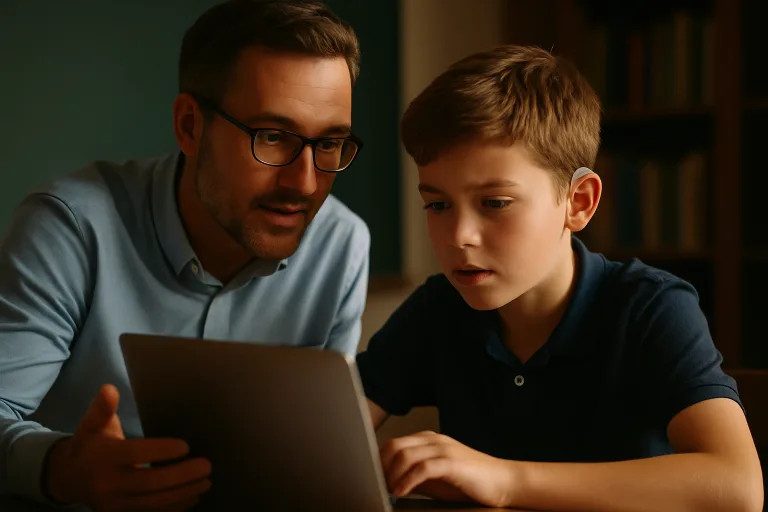
— Inclusive mainstream classes with support: many children benefit from attending local schools with tailored accommodations (assistive tech, adapted teaching methods, support teacher or aide).
— Special classes or resource-room support: where available, smaller groups or resource support can be used for targeted work on speech, language and literacy.
— When local expertise is limited, coordinate with the Dolinsk education department and regional centers in Sakhalin for assessments, teacher training and specialist visits.
Practical classroom strategies for teachers
— Positioning and environment:
— Seat the child near the teacher and away from noise sources.
— Ensure good lighting for lipreading and facial expression.
— Reduce background noise where possible (rugs, curtains, closing windows/doors).
— Communication techniques:
— Face the child, speak clearly at a natural pace, use short sentences and visuals.
— Combine spoken language with gestures, pictures, written keywords and sign support if used by the child.
— Check comprehension by asking the child to repeat or summarize in their own words.
— Teaching methods:
— Use multimodal instruction — visual aids, handouts, interactive whiteboards.
— Give written instructions and examples for assignments.
— Break tasks into small steps and provide regular feedback.
— Peer interaction:
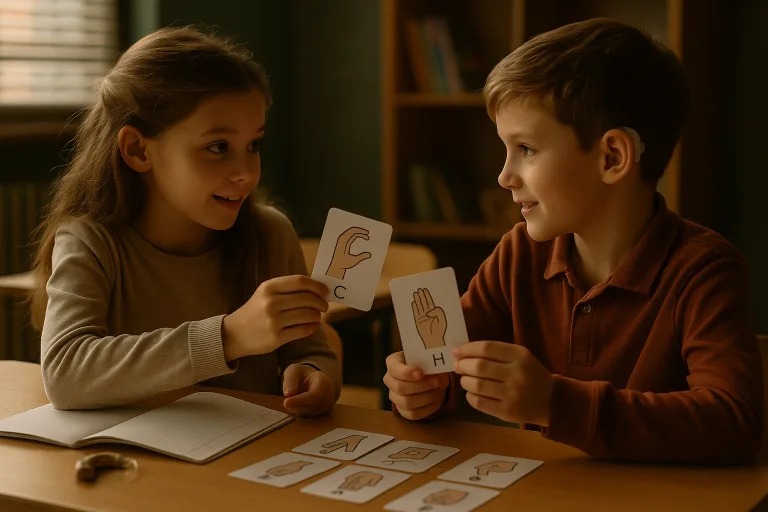
— Arrange cooperative work with supportive peers.
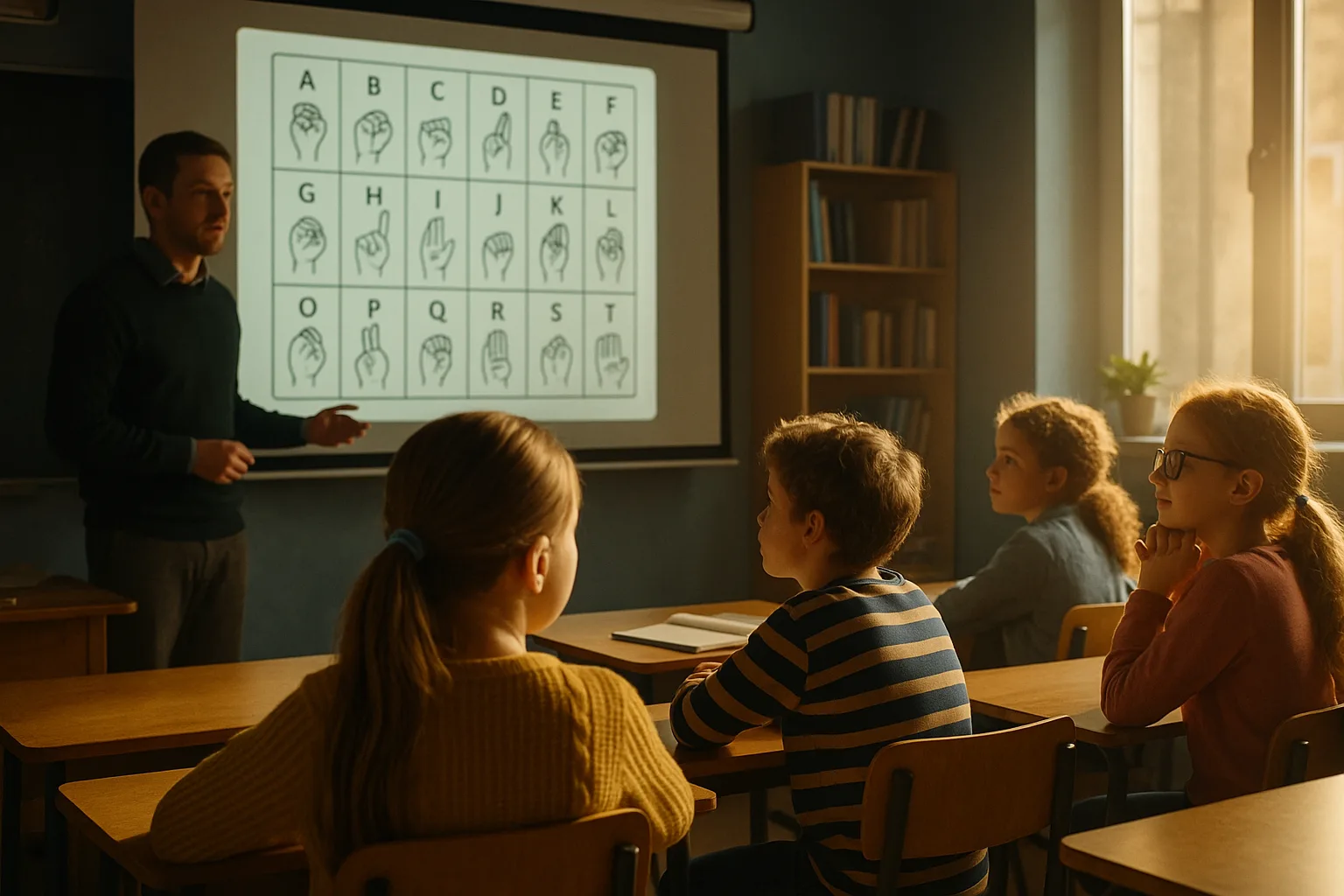
— Teach classmates about hearing impairments and effective communication in age‑appropriate ways.
— Assessment adaptations:
— Allow additional time, present questions orally and in writing, or provide alternate assessment formats when necessary.
Support for parents
— Build a team: stay in regular contact with teachers, specialists and the school administration.
— Home routines to support language:
— Read daily, use clear speech, and expand on the child’s utterances.
— Use pictures, visual schedules and simple written cues.
— Advocacy and documentation:
— Ask for an IEP or individualized support plan outlining accommodations, goals and responsible staff.
— Keep copies of medical and educational assessments to access services and benefits.
— Emotional and informational support:
— Seek parent support groups (local or regional) and professional counseling if needed.
— Learn about communication options (Russian Sign Language, oral/aural methods, combined approaches) and choose what suits your child.
Social adaptation and inclusive community life
— Early peer contact and play skills groups help develop social competence — encourage playdates, clubs and sports with supportive peers.
— Extracurricular activities: music therapy, visual arts, adapted sports, drama clubs with clear visual cues.
— School culture: run awareness activities so classmates understand hearing impairments and learn inclusive communication habits.
— Transition planning: prepare teenagers for vocational training, further education and employment by building social, communication and self‑advocacy skills.
Local steps and where to turn in Dolinsk / Sakhalin
— Start locally:
— Contact your child’s pediatrician and the Dolinsk central district hospital for initial medical/audiological referrals.
— Reach out to the Dolinsk municipal education department about school placement, resource rooms, and the process for getting an individualized support plan.
— Contact the municipal social services center for information about benefits, rehabilitation services and assistive devices.
— Regional resources:
— If specialized audiology, cochlear implant teams or advanced rehabilitation are needed, you may be referred to services in larger Sakhalin centers (Yuzhno‑Sakhalinsk).
— The All‑Russian Society of the Deaf (VOG) and its regional branches provide advocacy, peer support and information about interpreting services and sign language education.
— Ask about:
— Visiting special pedagogues