Inclusive Education and Social Adaptation for Children with Hearing Impairments in Dolinsk, Russia
Introduction
Children with hearing impairments in small towns like Dolinsk need tailored educational approaches, strong collaboration between families and professionals, and community support to thrive. This article outlines practical steps for inclusive education, offers strategies for parents and teachers, and suggests ways to improve social adaptation and participation for children with special needs in the Dolinsk area.
Key principles
— *Early identification and intervention* — the sooner hearing loss is detected, the better the outcome for language and social development.
— *Family-centered approach* — parents are partners and primary advocates.
— *Interdisciplinary support* — educators, audiologists, speech-language therapists, psychologists and social workers should coordinate.
— *Access and inclusion* — physical, curricular and social accessibility are essential in school and community life.
— *Local adaptation* — solutions should reflect Dolinsk’s resources and links to regional centers (for example, specialists in Yuzhno-Sakhalinsk).
Practical steps for parents (short-term and ongoing)
— Seek audiological confirmation and follow-up: contact the local medical center and regional audiology services in Sakhalin for assessment and device fitting (hearing aids, cochlear implant follow-up).
— Ask for early intervention services: speech-language therapy, auditory training, and family coaching.
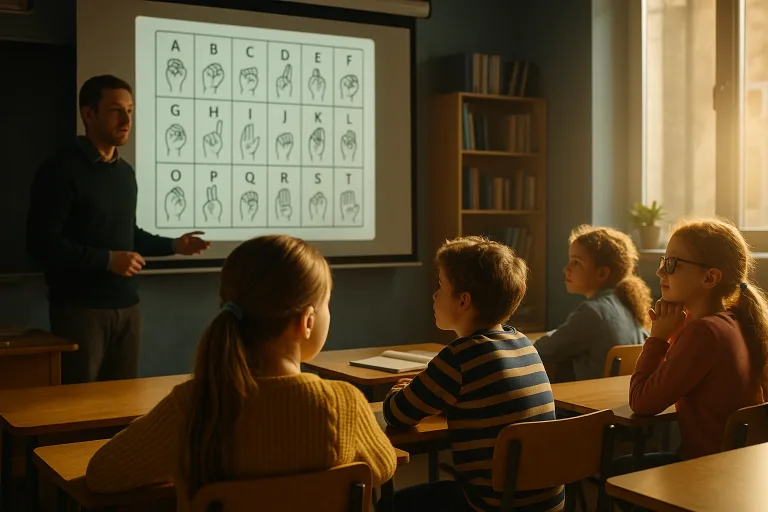
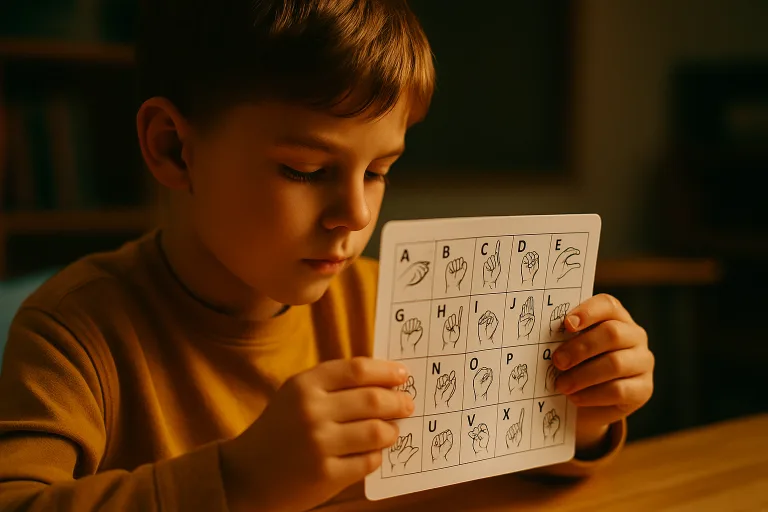
— Learn communication methods: encourage oral language, visual supports, and — if helpful — basic Russian Sign Language; consider local or online courses.
— Build daily routines that support listening and language: eye contact, clear close-range speech, visual cues, shared book reading and play routines.
— Create social opportunities: arrange playdates, inclusive extracurricular activities, and contact local community clubs and sports teams.
— Keep records: maintain medical, educational and therapy documents to support individualized planning and any applications for assistance.
— Join or start a parent support group: share experience, tips and resources with other families in Dolinsk or Sakhalin Oblast (online communities can also help).
Practical steps for teachers and schools
— Start with assessment and an Individualized Education Plan (IEP): define goals, accommodations and responsible staff.
— Classroom accommodations:
— Seating: place the child near the teacher and away from noise sources.
— Visual supports: written instructions, pictograms, and visual schedules.
— Acoustic improvements: reduce background noise, use carpets, curtains, or portable acoustic panels where possible.
— Assistive listening: FM/DM systems or classroom amplification; personal hearing technology maintenance.
— Clear communication: face the child, speak clearly, rephrase rather than repeat, use gestures.
— Instructional strategies:
— Use multimodal teaching (visual + auditory + tactile).
— Keep language simple and explicit; pre-teach key vocabulary.
— Provide written summaries and use slides/handouts.
— Break tasks into smaller steps and check comprehension frequently.
— Professional development:
— Basic training in inclusive pedagogy and strategies for children with hearing loss.
— Workshops on classroom acoustics, assistive technology, and basic sign language.
— Collaboration time with speech therapists and audiologists.
— Inclusive classroom culture:
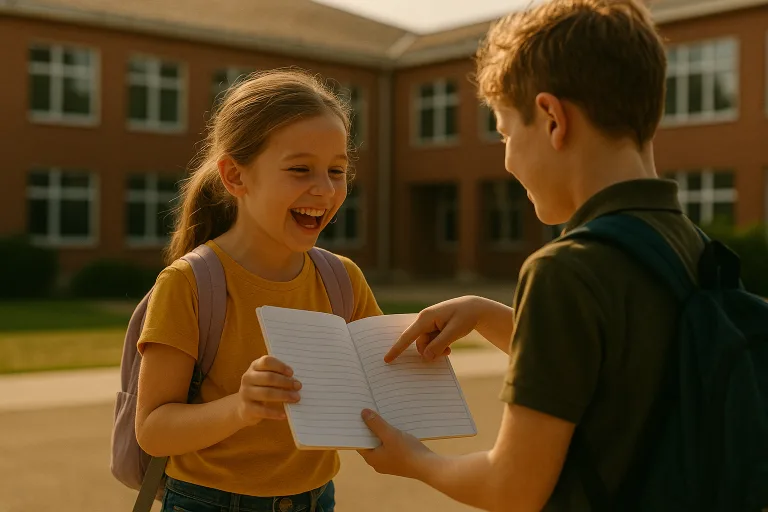
— Teach classmates about hearing differences in an age-appropriate way.
— Use peer mentors and cooperative learning to build friendships.
— Implement anti-bullying measures and promote respect.
Supporting social adaptation and participation
— Promote peer inclusion: buddy systems, mixed-ability teams in sports and arts, drama and storytelling activities that emphasize communication.
— Community awareness: public info sessions at schools, libraries or cultural centers in Dolinsk to reduce stigma and improve understanding.
— Accessible extracurriculars: ensure local clubs and events use visual cues and inclusive coaching.
— Transition planning: support older students with vocational guidance, internships, and linkages to regional employment supports.
— Emotional support: provide counseling, social skills groups and mentorship opportunities to boost confidence and resilience.
Building an inclusive program in a Dolinsk school — step-by-step
1. Convene a working group: school leaders, a teacher, a parent representative, a speech therapist or psychologist, and a municipal education representative.
2. Assess needs: classroom environment, number of children with hearing impairments, and available regional services.
3. Create an IEP template and referral pathway to specialists (audiologist, speech therapist).
4. Prioritize quick wins: seating plans, visual schedules, teacher briefings.
5. Apply for equipment and training: through municipal budgets, Sakhalin Oblast programs, federal grants, or NGO support.
6. Train staff and roll out accommodations.
7. Monitor progress with regular reviews and adapt plans.
8. Share successes publicly to build community support.
Recommended tools and resources
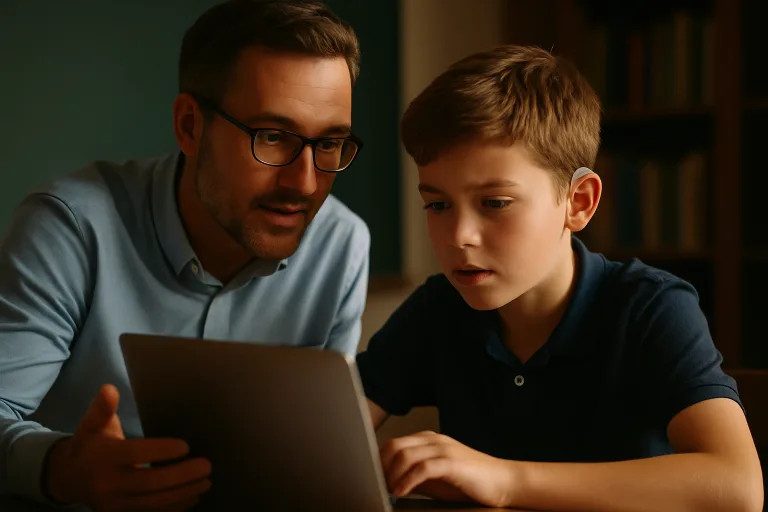
— Assistive devices: hearing aids, cochlear implant follow-up, FM/DM systems, personal amplifiers.
— Classroom tools: visual schedules, captioned videos, written lesson supports, clear lighting and seating plans.
— Apps and online resources: language-building apps, remote speech therapy platforms, online sign language courses.
— Regional contacts to seek: Dolinsk municipal education department, Sakhalin Oblast education and social protection services, audiology/ENT clinics in Yuzhno-Sakhalinsk, and national organizations such as the All‑Russian Society of the Deaf for guidance and materials.
Funding and legal supports (what to check)
— Ask the Dolinsk municipal education office about entitlements, special education services and assistive device support.
— Check Sakhalin Oblast programs that fund rehabilitation, prosthetics (hearing equipment), or inclusive projects.
— Investigate federal programs that support inclusive education and disability services.
— Local NGOs or charitable foundations sometimes fund equipment, training or extracurricular inclusion projects.
Quick checklists
For parents:
— Have audiology reports and device settings up-to-date.
— Request an IEP or classroom accommodations.
— Keep a communication book with teachers.
— Encourage social activities and peer contact.
For teachers:
— Seat the child strategically; reduce noise.
— Use visual supports and written summaries.
— Coordinate with therapists and parents weekly or monthly.
— Attend basic inclusive education training.
Local action ideas for Dolinsk
— Organize an annual inclusive education day at the school or cultural center with demonstrations from speech therapists and peer